
How to price dead stock before you call a buyer
A list with three details per line gets a real number. A list with just part numbers gets a range. Here is the difference.
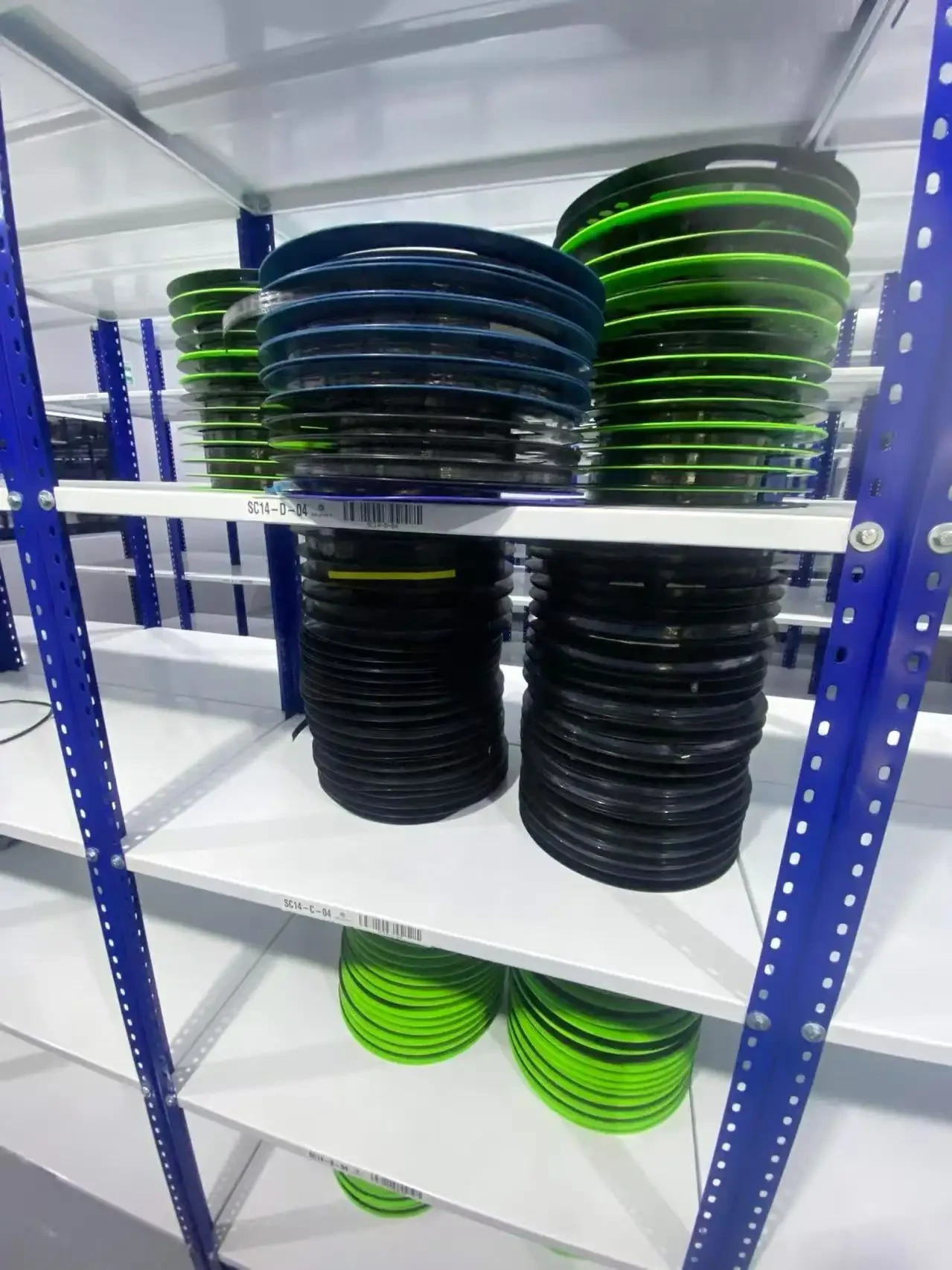
Start from what a buyer can resell
Surplus pricing is not a discount off your purchase order. It starts from what a buyer can move the part for, minus grading, freight and the risk of sitting on it. That is why two identical reels from different years can land far apart.
If you send only part numbers, the reply has to be a range. Once packaging, quantity and date code are stated, the range collapses into a number you can take to finance.
Three details that change the price
Packaging state comes first. Sealed reels with intact labels are priced as stock. Opened reels and tray stock are priced after counting and inspection. Loose parts in bags usually need a physical check before any offer is made.
Date code comes second. A part inside its active window is stock. The same part ten years old is a specialist item, and the price reflects a much narrower buyer pool.
Quantity comes third, and it works in both directions. A full production lot is easy to move. Four pieces of an obsolete regulator are worth something only to a repair desk.
- State sealed, tray or opened for every line
- Add the production year or date code
- Separate mixed lots into single lines
- Photograph the reel label, not the component
What a written offer should contain
A usable offer lists the lines accepted, the price per line, the conditions attached, and the validity window. Lines that were excluded should be named with a reason, so nobody assumes the rest of the lot was rejected.
Ask whether freight and duties are included or separated. Offers that fold logistics into one number are hard to compare and harder to explain to a controller.
Where sellers lose money
The most common loss is not a low unit price. It is sending one mixed pallet without a line list, accepting a lump sum, and discovering later that the valuable reel carried the whole deal.
The second is timing. Dead stock does not improve with age, but the paperwork around it does get more expensive to reconstruct.
Have a list that needs a number?
Send it once. We reply with a written offer and conditions.